
Winter Olympics
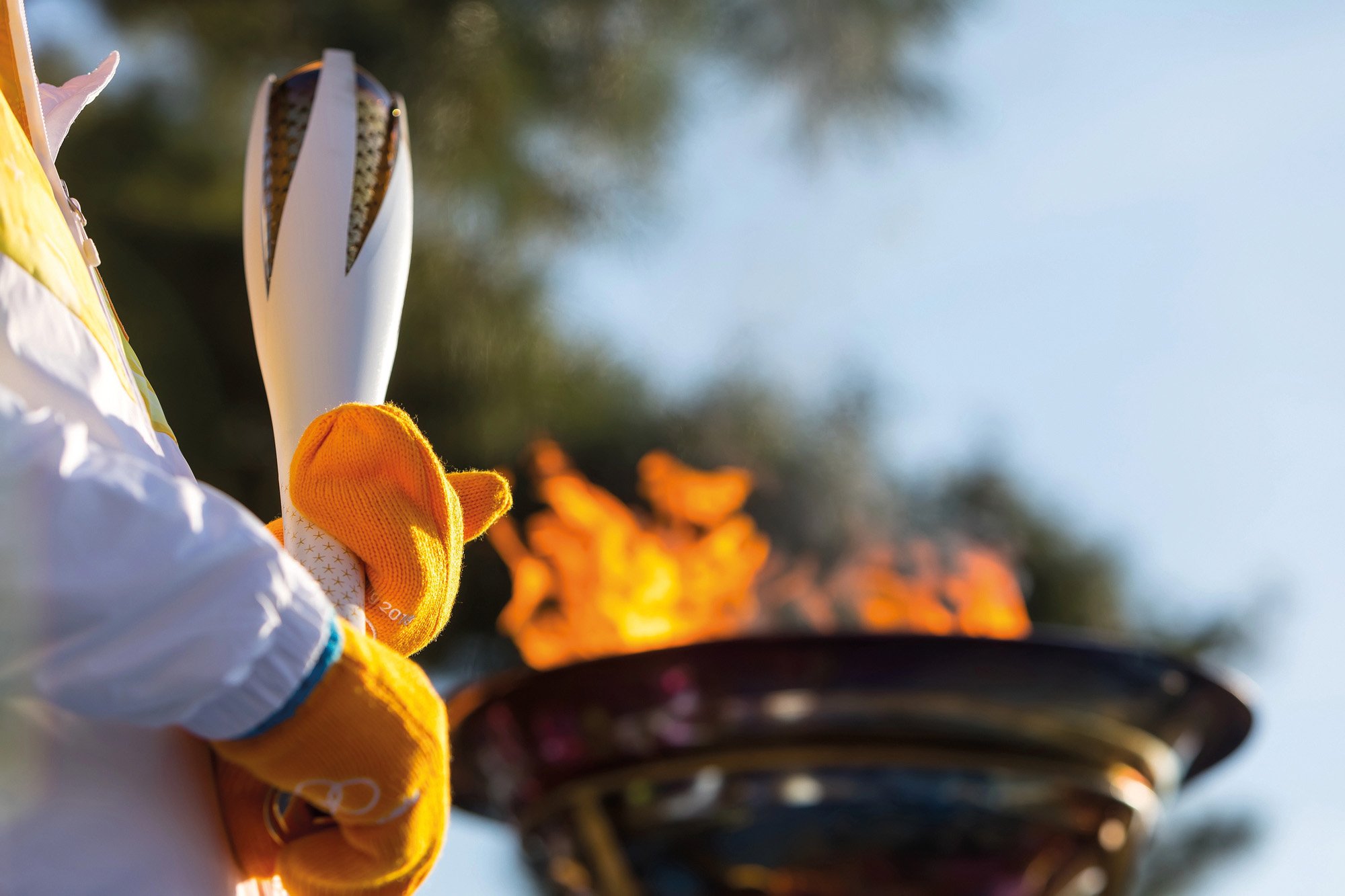
Whilst the cold, dark winter months are not everyone’s favourite time of year, more than 2,900 Olympic athletes from 90 nations cannot wait for the snow to settle.
The 2026 Winter Olympics will take place in Milan-Cortina, Italy, from 6 to 22 February, with 116 events taking place across 16 different sports. This will be the most gender-balanced Winter Olympics ever, featuring 50 women’s events competed in by 1,362 women, representing 47 per cent of the overall participation.
The Winter Olympics brings fascinating sporting contests against a spectacular backdrop. Many events require extreme athleticism and are not for the faint-hearted. Sit back and enjoy the outrageous speeds of the 90mph luge, the gravity-defying ski jumpers and the pure courage and judgement of the downhill skiers carving their way down the Alps.
Brand new for 2026 is ski mountaineering, or skimo, where athletes race up and down mountain courses, alternating between skiing and hiking.
Tune in to the BBC for 16 days of sporting winter wonderland action!
Venue and Opening Ceremony
Milan-Cortina 2026 is also the first time that the games have been co-hosted, which geographically means they will be the most widespread games in Olympic history. The events are distributed across multiple venue clusters in northern Italy, showcasing both the cosmopolitan energy of Milan and the stunning natural beauty of the Dolomites.
The opening ceremony will take place at the magnificent San Siro stadium, the home shared by the Italian football giants AC Milan and Inter Milan. This event is expected to be the most widely-viewed moment of the games; millions around the world will tune in to watch Italian tenor Andrea Bocelli’s headline performance alongside pop diva Mariah Carey.
Team GB
Hopes are high for Team GB, with the expectation of coming home with more medals than in the previous 102 years of Olympic competition. The target of between four and eight medals has been set by UK Sport, the body that distributes National Lottery and public funding to elite GB athletes. The Paralympic team, whose events get underway in March, has been set a target of between two and five. The main reason for the optimism is that British athletes have been far more competitive than ever before in winter sports world championships in the Olympic cycle leading up to the games in Italy. Twenty-one different athletes have won medals, which is a record performance.
Team GB’s best Winter Olympic medal performance to date is five medals, achieved both in Sochi, Russia, in 2014 and Pyeong-chang, South Korea, in 2018.
On ice
Curling – Team GB’s strongest event in recent years. Sophie Jackson captains the women’s team, looking to repeat their gold medal success in 2022. In the men’s event, Bruce Mouat will again captain his team, hoping to upgrade his silver from four years ago in Beijing. The finals will be on 21 and 22 February. Mouat teams up with Jen Dodds in the mixed event, with the final on 10 February.
Skeleton – In the men’s event, Matt Weston has a genuine gold medal chance, having won five of his six World Cup races this season; the race he failed to win was encouragingly won by compatriot Marcus Wyatt. The competition concludes on 13 February. In the women’s event, Amelia Coltman and Tabitha Stoecker both have World Cup podiums this season, and 15 February is the key date.
Ice dance – All eyes will be on Lilah Fear and Lewis Gibson on 9 and 11 February. Last year’s World Champion-ship bronze medallists will be among GB’s major contenders for an Olympic medal, which would be the nation’s first in ice dance since Jayne Torvill and Christopher Dean bagged bronze at Lillehammer in 1994.
On snow
Snowboarding – Mia Brookes, 19, is one to look out for in the women’s Big Air and slopestyle events on 9 and 17 February. Brookes became the slopestyle champion in 2023 at just 16 and is the current overall World Cup champion, making her one of the hot favourites.
Snowboard cross – Charlotte Bankes is expected to be in with a shout of a medal in the women’s event on 13 February and will also team up with her World Cup champion partner, Huw Nightingale, for the team event on 15 February.
Freestyle skiing – The last 12 months have seen Kirsty Muir take her first World Cup victories in both the slopestyle and Big Air disciplines, which must put her in contention for a medal on February 9th and 16th.
The Great Debate: Are traditional fans being priced out of football?
FIFA was heavily criticised by the fans’ network Football Supporters Europe for the ticket pricing at the 2026 World Cup, after it emerged that the cheapest ticket for this year’s final will be more than £3,000. The Premier League has also come under scrutiny, with an average ticket ranging from £41 at newcomers Sunderland to £88 at leaders Arsenal.
YES, IT’S TOO EXPENSIVE
The high and increasing costs are a significant barrier preventing young people, families and lower-income supporters from attending. The Guardian reported last year that Liverpool’s ticket prices had risen by 800 per cent since 1990.
Before the start of the 2025/26 Premier League season, research company IPSOS revealed that 71 per cent of fans believe traditional supporters are being priced out and 76 per cent think there should be a cap on how much clubs can charge.
With the increase in premium seating targeted at the corporate/hospitality market, the atmosphere can also be damaged, as noise tends to be generated by loyal regular fans rather than affluent day-trippers.
NO, PRICES ARE FAIR
Football clubs, just like most businesses, have suffered from rising costs. To compete, they need to secure the services of the best players available. As transfer fees and wages have escalated, ticket prices inevitably rise.
Matchday revenue is still a significant income stream for clubs. Pricing is driven by supply and demand; stadium capacity is limited and demand for tickets is often high.
The Premier League is often called the most entertaining league in the world, featuring many of the world’s top players and managers. It offers a premium global product at a price similar to a restaurant meal for two.
Sports bites
Rugby
As winter draws to a close, the home nations prepare to reignite old rivalries. The 2026 men’s Six Nations runs from 5 February to 14 March. Week one will see the Irish face last year’s champions France in Paris, 2025 runners-up England take on Wales at Twickenham, and Scotland travel to Rome to play Italy. Week two features Scotland hosting England at Murrayfield, the French in Cardiff against Wales, and Ireland at home to Italy.
Cricket
The men’s T20 World Cup gets underway on 7 February, co-hosted by favourites India and Sri Lanka. The 10th edition of the tournament features an increased number of 20 nations split into four groups of five. Two-time winners England (2010, 2022) are in Group C with Scotland, Italy, Nepal and the West Indies. Group B sees Ireland take on Australia, Oman, Sri Lanka and Zimbabwe.



Conditions of acceptance of website comments
Inside Time does not wish to apply censorship to comments posted on its website, however, we may remove posts if they have been flagged as inappropriate.You must not publish material that includes anything that:
- is considered to be offensive or includes inappropriate language
- may incite others to break the law
- identifies others by name, unless referring to the author of a previously published item
- includes unsubstantiated claims or hearsay but presented as fact
- includes personal opinions that are presented as fact
- includes discriminatory or derogatory comments about any person or section of society
- includes the alleged offences of named individuals unless it is considered to be already common public knowledge
All comments should address the original article or mailbag item and comments criticising other posters will not be posted unless they add something material to the original item.
Multiple postings under different names from the same IP address will not be posted and will be blocked from further posting.
Comments will be deleted if they contain foul language.
Inside Time reserve the right to republish comments in its newspaper or in any of its other publications, however, in these cases, comments will be anonymised.
The views and opinions expressed in comments are those of the authors and do not reflect the official policy or position Inside Time.