
Boy George Back Behind Bars


National Prison Radio: How was your prison experience?
Boy George: It’s easier to talk about it in hindsight. When you’re there, you’re just getting through it – thinking minute to minute, hour to hour, day to day. It was the first time I ever went to prison, it was an unknown environment. But you see lots of films and hear lots of stories and you have a completely disjointed view, when you first arrive its terrifying, I don’t care how hard you are. If you’re lucky, you get your head around the fact that you’re there. For the first week, I was really feeling sorry for myself, I didn’t want to eat… but eventually you just go ‘you know what? I’m here!’ Acceptance is a huge thing.
NPR: Were you treated any differently because of your fame?
BG: No, not by the officers, you get treated the same. The people that work in prisons – generally they’ll treat you as you treat them. If you’re respectful and get on with serving your time and cause as few problems as possible, then generally they’re respectful back. A lot of it is about keeping your head down. Initially of course, I got a load of rubbish from the younger ones, but eventually they got over it.
NPR: Did you experience any homophobia in prison?
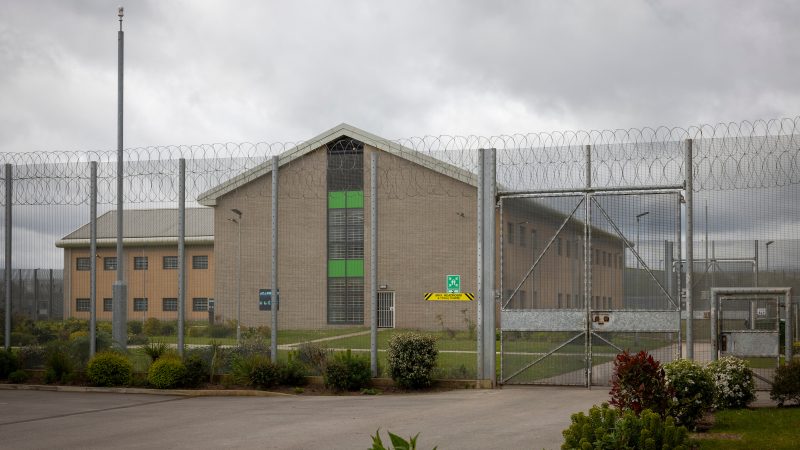
BG: I spent four months at Edmund’s Hill prison and I experienced, initially, a lot of homophobia, but also a lot of love. It was mainly young guys shouting out ‘batty boy’, a modern term for a homosexual. It was nothing I hadn’t heard before and I dealt with it in the way I would on the street. What I did notice is that were lots of things on the walls saying you shouldn’t be racist or prejudiced but no mention of homosexuals. People just don’t want to talk about it. One advantage I had is that everyone knows I’m gay, so for me it was a useful thing – if people know what you are, telling me I’m gay is not news to me. Why are you going to tell me I’m gay? Yeah, I know, I’m 50! But for other people it’s difficult and it’s important to talk about it and have a support network. I just think if you’re a real man then why would you be troubled by someone else’s sexuality? I’m very open about it, I’m not ashamed of what I am. I always say – there’s no better time than now to be who you are, whether that’s black, white, gay, straight, lesbian, whatever it may be – stand up and be proud.
NPR: Drugs have had a big impact on your life? What’s been the best thing about giving up?
BG: Everything! In NA (Narcotics Anonymous), they say drugs lead to jails, institutions and death. Well I’ve done jails and institutions – the only thing left for me was death, so it was an important thing for me to change my life. I definitely see life more clearly now, whether it’s looking at trees, or a personal situation, or arguments… I don’t get rattled like I used to, I shrug a lot. I’ve become a much more chilled person. When I look back now, I think, why would I choose to live with that kind of anxiety 24/7?
NPR: Was it a battle? How long have you been in recovery now?
BG: I’m three years and six months clean now and I was a year clean before I went in to prison, which was really useful to me because I went in with a pretty clear head. I had a bit of recovery behind me and support network. But initially, I had a drug problem for about five years and probably for the last year I was desperate to give up but no matter what I did, I couldn’t. I felt wretched to my core and I thought, it’s got to stop. Luckily I had a couple of friends in recovery and they helped me a lot. Human beings really struggle with asking for help, especially if you’re a bloke, it’s not something to do instinctively… And what you find is that when you actually do reach out to people, they can be quite amazing and helpful.


Well this was so long ago, the article above. But he shows he is a really corageous guys and I would like to deal with my own problems – not as bad as his – with the same view.
Boy George is super cool, he is one great guy.