
Senior officer ‘should have been disciplined’ after suicide at Durham prison
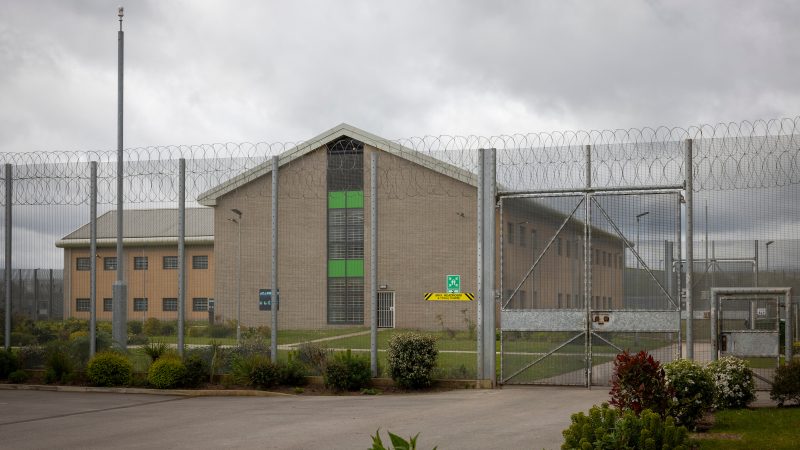
After a man remanded in HMP Durham took his own life the day he arrived, the Prisons and Probation Ombudsman has criticised failures by officers to identify the risk.
Ahmed Alshbli arrived at HMP Durham on 2 November, 2022. Originally from Syria, he had lived in the UK since 2018 and had never been in custody before. When booked in, he was tearful but told staff he had no history of self-harm or mental health issues. Just before 10pm he was found in his cell having attempted to take his own life. Staff tried to resuscitate him and called an ambulance. He died in hospital eight days later.
The Prison and Probation Ombudsman has now released a report showing that Alshbli arrived in Durham with a digital report detailing suicidal behaviour whilst in court and on the way to the prison, but this was not accessible by reception officers.
The Ombudsman states: “Mr Alshbli said that it was his first time in custody. The receptions officer said he knew he had arrived with a SASH form, but as he was in a mobile role did not have access to the digital form and therefore had not seen the details. Mr Alshbli was advised of support available.”
Later that day, a nurse from the mental health team met him but did not have access to any of his records, including the SASH form. The Ombudsman found: “He was sad and tearful. He said that he had lost everything: his family, his house, his car, his job. The nurse judged he needed further support and opened ACCT (Assessment, Care in Custody and Teamwork) procedures with checks every 30 minutes. She told him the mental health team would see him the next day.”
The report continues: “Records suggest that the SO, the supervising officer responsible for interviewing new arrivals that day, had access to all of the relevant information. However, he considered ACCT monitoring unnecessary, on the grounds that Mr Alshbli said he had not really intended to harm himself – although the evidence they held but ignored, said something different.”
The Ombudsman concluded: “Overall, we consider that the SO’s decision-making was, at best, poor and, at worst, fell far below the standard expected of a supervising officer. Had the SO not already left the Prison Service, we might well be recommending that the Governor consider disciplinary action.”
He also recommended the Governor and Head of Healthcare should review reception procedures to ensure all staff supporting individuals have access to relevant information.


As an ex prisoner I’ve seen it from the other side and spoke to one of the MOs about this
The problem is they cater for hundreds of prisoners every day so can’t give you more than thirty seconds. Other than name, number, sentence, any thoughts of hurting yourself then what more can they do in that time?
I expect his family partner didn’t intend so severe a punishment, – not how it turned out. The unthinkable, can be thought, and quite likely is, too.
He had been guilty of harassment and assault on his family partner, – I looked it up. Maybe she didn’t intend that he should die, though.
Harassment and some violence I gather, – but maybe there are some crimes which don’t deserve the death penalty.
It seems conceited of me, I did visit a GP patient like that once, I knew it was dangerous for me to go home.
Just speculation, maybe that mental health nurse could have talked him down. Maybe her brief was only triage, I don’t know.
In Germany there are so many motor traffic regulations, that it is impossible to have an “accident”: every motor vehicle ‘accident’ legally must be somebody’s “fault.” I humbly get the same idea with prison suicides in the UK. But this present problem will likely continue, until a new arrival who says, “I have lost everything, my family, my house, my car, my job,” can be talked-down. It seems such an obvious thing, to me.