
The Philosophy of Tea

 Htein (pronounced Tay) Lin goes through a typical Burmese prison menu with me:
Breakfast rice in water with a soup-like consistency. Lunch a sort of rice and lentil soup with little worms. Dinner rice and plant soup.
Lin explains that the plant was like a water lily with lots of leaves and it was easy to grow in prison.
Lin always wanted to be an artist, but why did he end up painting in a cell? Art was not a subject on offer at university in Burma. And anyway at the age of 22 Htein Lin had to go into hiding in the rain forest after taking part in student pro-democracy demonstrations. Despite harsh conditions it was here that he demonstrated a remarkable ability for being creative with and out of his surroundings producing a magazine in the jungle. Articles were handwritten on things like chocolate boxes and then smuggled out to the city to be photocopied. Improvising was a skill that he was to repeat later in prison.
Life in the jungle was bad, but things would get far worse. In 1998, Lin was wrongly accused of planning opposition protests and arrested as a political prisoner. He would spend seven years in two Burmese prisons. Conditions were harsh. Apart from the barely-subsistence diet, prisoners were locked up 24/7, except for 15-minute shower breaks. Toilets were en suite and they slept on wood planks with tarpaulin-like coverings. After protesting some of their grievances, the inmates endured a group beating. Lin describes how loudspeakers were blaring so that the prisoners cries could not be heard. They were first blindfolded and hands tied, then economically herded down a corridor of guards with batons. In 2000 he was admitted to hospital with internal bleeding.
How did he survive?
Today, Lin still has stomach problems. His abdomen was destroyed he says by the terrible diet and bad conditions, but he is getting better. Physically, he looks frail, so did he survive through mental agility? Im not something special, you know, Im like everybody. But he agrees that he does have a mental strength. If you really want to, you can do everything. He then explains his mug of tea philosophy, which Ill go into a little later.
Lin also says that he is interested in the new therefore even horrific situations can sometimes be used to advantage. For instance, he learnt astrology and anatomy from other prisoners. He also wanted something to read in prison, but there werent any books so he decided to make one. He shows me the manuscript that he and about 30 other political prisoners hand-produced. The ordinary exercise book hides a treasure trove of fastidiously transcribed articles, interviews and poems, all illustrated by Lin. It was like food to the prisoners they had a lucky draw Lin says, and the winner got to be the first to read the magazine.
Wasnt it dangerous running an underground publishing house? Yeah, yeah, really dangerous, he says matter-of-factly. He describes how there were cell searches and the guards would use hammers to check for hollow sounds. One of the journals was hidden underground and the guards didnt get hold of it, but the rainy season did. It became waterlogged.
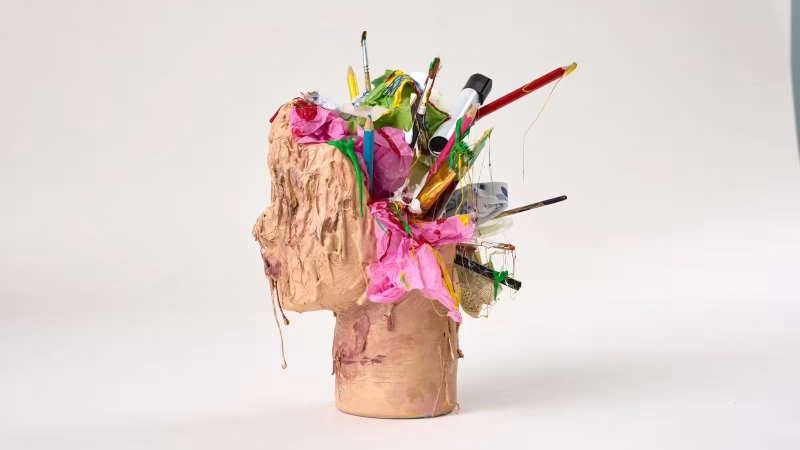
As well as exercise books, Lin also persuaded some guards to smuggle paint inside. However, he couldnt order the colour or type; so sometimes he ended up with pot paint. Next there were canvasses and brushes to find: Lin used his fingers, cigarette lighters, toothpicks, toothbrushes, razor blades, medicine bottle caps, glass and syringes to paint on cotton bedclothes or prison uniforms that hed managed to procure. He also made sculptures out of soap. Particularly striking and raw is Six Fingers, which Lin painted using his bamboo sleeping mat. It depicts prisoners who have cut fingers off to avoid hard labour camps.
Lin now lives in England with his English wife, the former British ambassador to Burma. How has he adjusted to so many parallel worlds from captivity to freedom, from East to West, from the developing to the developed world? Lin gives a surprising answer, but then Lin is a surprising man. Some people have a culture shock because before they had a very strong lifestyle. But I was in prison for seven years and I had nothing. His attitude is a Buddhist one and Lin demonstrated this philosophy to me using a mug of tea. Roughly: when your vessel is empty you are grateful for any tea that is poured into it, and when it has tea in it you do not need any orange juice, for example. Lin has also used meditation to relieve stress. First, he concentrates on his surroundings, then his breathing, then the top of his head, and finally whats going on in his mind and body.
In London, Lin has painted the city itself and the M4! In his depiction the motorway looks seriously humorous and charming. Unbelievably. But then everything is relative. In Burma all the roads are awful, really awful, he says, so he painted the M4 while he was travelling on it, for comparison. When he did the same thing in Burma every line came out a zig-zag, he says.
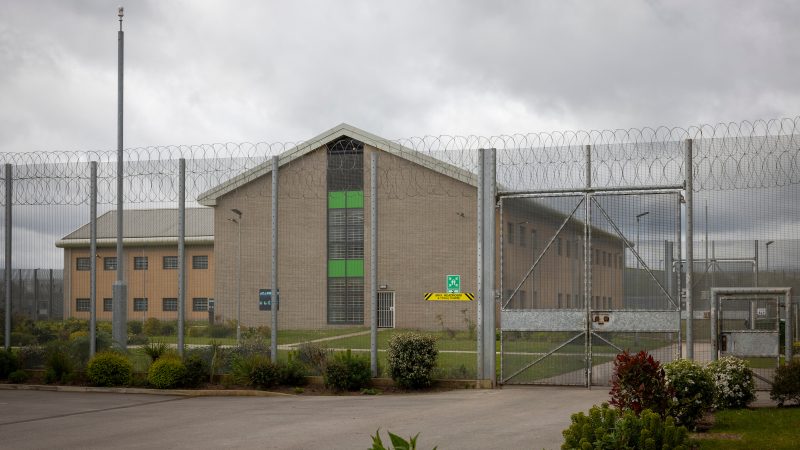
I wonder if hes visited any UK prisons? He says the English cells he saw with basin, chair and table looked like hotel facilities in Burma. Another prison he visited was from the 12th-century. It turns out to be in Edinburgh castle. I mention that its 18th-century prisoners of war also produced beautiful works of art their exquisite straw jewellery boxes are on display.
If anyone is potentially interested in learning how to paint with their fingers or their cell objects, please write to Inside Time. Lin is happy to share his techniques. Why not? he says.


Conditions of acceptance of website comments
Inside Time does not wish to apply censorship to comments posted on its website, however, we may remove posts if they have been flagged as inappropriate.You must not publish material that includes anything that:
- is considered to be offensive or includes inappropriate language
- may incite others to break the law
- identifies others by name, unless referring to the author of a previously published item
- includes unsubstantiated claims or hearsay but presented as fact
- includes personal opinions that are presented as fact
- includes discriminatory or derogatory comments about any person or section of society
- includes the alleged offences of named individuals unless it is considered to be already common public knowledge
All comments should address the original article or mailbag item and comments criticising other posters will not be posted unless they add something material to the original item.
Multiple postings under different names from the same IP address will not be posted and will be blocked from further posting.
Comments will be deleted if they contain foul language.
Inside Time reserve the right to republish comments in its newspaper or in any of its other publications, however, in these cases, comments will be anonymised.
The views and opinions expressed in comments are those of the authors and do not reflect the official policy or position Inside Time.